In today’s fast-paced world, efficiency and space-saving solutions are paramount, especially in the kitchen. For many, a Small Toaster Oven isn’t just another appliance; it’s a versatile powerhouse that can transform daily cooking habits. Whether you’re navigating a cozy apartment, a bustling dorm room, or simply seeking to declutter your countertop, a compact toaster oven offers an impressive array of culinary capabilities without demanding extensive real estate. This comprehensive guide will help you understand everything about these mini marvels, from their core functions to how to choose the perfect model that fits your lifestyle and budget. Get ready to discover how a small toaster oven can deliver big results in your kitchen.
What is a Small Toaster Oven?
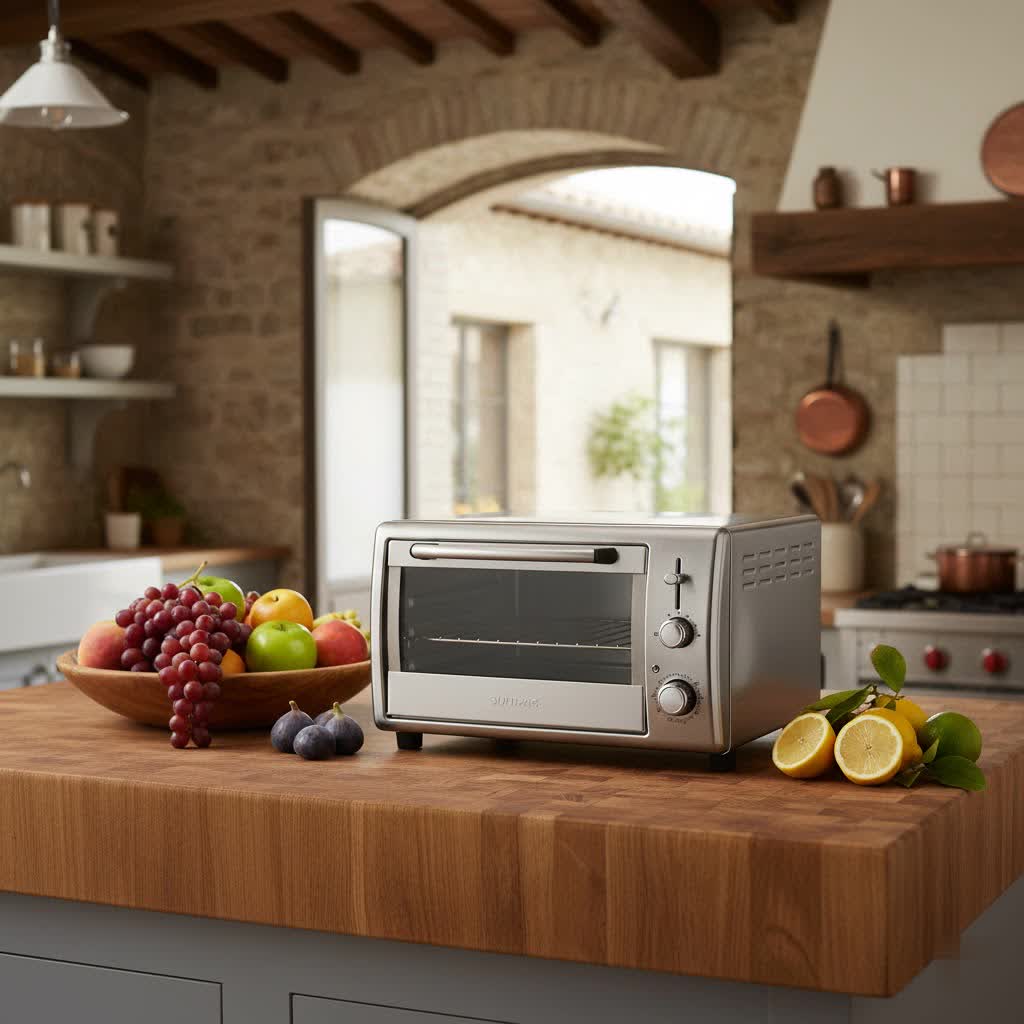
A small toaster oven is a compact, countertop appliance designed to perform various cooking tasks, typically on a smaller scale than a traditional oven. It combines the functions of a toaster and a mini oven, allowing users to toast bread, bake small batches of cookies, broil meats, roast vegetables, and reheat leftovers with remarkable efficiency. Over the years, these appliances have evolved from basic toasters into sophisticated multi-functional units, often featuring convection baking, air frying, and specialized presets, making them an indispensable tool for modern kitchens with limited space.
Advantages and Disadvantages of Small Toaster Ovens
Small toaster ovens offer numerous benefits, making them a popular choice for many households, yet they also come with certain limitations. Understanding these pros and cons is crucial when deciding if a compact model is the right fit for your culinary needs.
Advantages:
- Exceptional Space-Saving Design: Small toaster ovens are specifically engineered to occupy minimal counter space, making them ideal for apartments, dorms, RVs, or any kitchen where room is a premium. Their compact footprint ensures they don’t overwhelm your cooking area.
- Superior Energy Efficiency: Compared to full-sized ovens, small toaster ovens consume significantly less electricity. Their smaller interior heats up much faster, reducing preheating times to just a few minutes and consequently lowering your energy bills and environmental footprint.
- Faster Cooking and Preheating: Due to their confined heating chambers, these ovens preheat rapidly, often reaching desired temperatures in 2 to 5 minutes. This quick heat-up translates to faster cooking times for small meals, snacks, and reheating tasks, saving precious time during busy days.
- Remarkable Versatility: Beyond just toasting, these appliances can bake, broil, roast, warm, and often include advanced functions like convection and air frying. This versatility allows them to handle a wide range of recipes, from crispy chicken wings to perfectly melted cheese on an open-faced sandwich.
- Minimal Kitchen Heat Emission: Unlike a large oven that can significantly warm up your kitchen, especially in warmer climates, a small toaster oven generates much less ambient heat. This keeps your cooking space cooler and more comfortable.
- Ease of Use and Cleaning: Most small toaster ovens feature intuitive controls, often with simple dials or clear digital displays. Many also come with removable crumb trays and non-stick interiors, simplifying the cleaning process considerably.
- Better Reheating Results: They excel at reheating leftovers, restoring a crispy texture to pizza, fries, or pastries that a microwave might render soggy, providing a more satisfying meal experience.
|
Our Picks for the Best Toaster Oven in 2026
As an Amazon Associate I earn from qualifying purchases.
|
||
| Num | Product | Action |
|---|---|---|
| 1 | Emeril Lagasse Extra Large French Door Air Fryer Toaster Oven Combo, 24 Cooking Functions and Digital Controls, 7 Accessories Included, Stainless Steel Finish, 26QT Capacity |

|
| 2 | Breville BOV450XL Mini Smart Countertop Oven and Toaster Oven, Small, Brushed Stainless Steel |
|
| 3 | Cuisinart Air Fryer Toaster Oven, 1800W, 8-in-1 with Air Fry, Convection, Broil & Warm, 0.6 Cubic Feet, 60-Minute Timer, TOA-70NAS, Stainless Steel |
|
| 4 | Cuisinart Custom Classic Toaster Oven Broiler, 1800 Watt Countertop Toaster Oven to Bake, Broil, and Toast, Non-Stick Interior, Consistent Toast Control, Brushed Stainless Steel/Black, TOB-40N |
|
| 5 | Elite Gourmet ETO236 Personal Compact 2 Slice Countertop Toaster Oven with 15 Minute Timer & Adjustable Temperature, Bake, Broil, & Toast, Black |
|
| 6 | BLACK+DECKER 4-Slice Toaster Oven with Natural Convection, Stainless Steel, TO1760SS (TO1760SST-1) |
|
| 7 | Ninja Toaster Oven & Air Fryer, 8-in-1 Functionality, Large Capacity, Air Fry Basket, Sheet Pan, Wire Rack & Removable Crumb Tray, Stainless,1800 watts, SP151 |
|
| 8 | BLACK+DECKER Crisp 'N Bake Air Fry Countertop Convection Toaster Oven, Medium Capacity, 4-Slice, 5-in-1, Fits 9” Pizza, 30-Min Timer, Bake, Broil, Air Fry, Toast, Keep Warm, Stainless Steel |
|
| 9 | BLACK+DECKER TO1313SBD Toaster Oven, 15.47 Inch, Silver |
|
| 10 | Gourmia Toaster Oven Digital Air Fryer - Convection Mode with 4 Slice Capacity, 3 Rack Positions, 12 Presets, Toast, Bagel, Bake, Roast, Broil, Dehydrate, Popcorn, Fits 9" Pizza, Black |
|
Disadvantages:
- Limited Capacity: The most significant drawback is their smaller internal volume, which restricts the size and quantity of food you can cook. They are generally not suitable for preparing large family meals, roasting a whole chicken, or baking multiple large items simultaneously.
- Potential for Uneven Cooking: While many models offer even heating, some basic or lower-end small toaster ovens might exhibit hot spots or uneven toasting, requiring users to rotate food for consistent results. Food also sits closer to heating elements, demanding careful monitoring to prevent burning.
- Fewer Advanced Features in Basic Models: While premium compact models boast a full suite of functions, entry-level small toaster ovens might lack features like convection, air frying, or precise digital temperature controls, limiting their overall versatility.
Types of Small Toaster Ovens
Small toaster ovens come in various configurations, primarily categorized by their capacity and the advanced features they offer. Understanding these distinctions helps in narrowing down the best choice for your kitchen.
Classified by Size and Capacity:
- Mini (2-Slice) Toaster Ovens: These are the smallest models, often designed to fit two slices of bread or a couple of pastries. They are perfect for single users or those with extremely limited counter space, focusing mainly on basic toasting and reheating.
- Compact (4-Slice) Toaster Ovens: A more common size, these typically accommodate four slices of toast or a small frozen pizza (around 9-10 inches). They offer a good balance of compact size and versatile cooking capabilities for individuals or small families.
- Small-Medium Toaster Ovens (up to 6 slices/11-inch pizza): While still considered “small” in the broader toaster oven market, these models push the upper limits of compact design. They can fit up to six slices of bread or an 11-inch pizza, making them suitable for small families who need a bit more capacity for baking or roasting.
Classified by Functionality:
- Basic Toaster Ovens: These foundational models typically offer toast, bake, and broil functions with simple dial controls for temperature and time. They are straightforward, affordable, and excellent for everyday tasks.
- Convection Toaster Ovens: Equipped with a built-in fan, these ovens circulate hot air evenly around the food, leading to faster cooking times and more consistent browning. Convection is particularly beneficial for baking and roasting.
- Air Fryer Toaster Oven Combos: These popular models integrate air frying capabilities, allowing you to achieve crispy results with less oil, similar to a dedicated air fryer. They are highly versatile, offering functions like air fry, bake, roast, and toast in one compact unit.
Classified by Brand:
Many reputable brands offer small toaster ovens, each with its unique selling points. Popular choices often include Breville, Panasonic, Ninja, and Black+Decker, known for their reliability, innovation, and diverse range of models catering to different needs and budgets.
Comparison Table: Top Small Toaster Ovens
Choosing the best small toaster oven involves weighing various factors like features, capacity, and price. Here’s a comparison of some highly-rated compact models frequently praised for their performance and design.
| Model | Key Features | Capacity | Price Range* | Pros | Cons |
|---|---|---|---|---|---|
| Breville Mini Smart Oven BOV450XL | Element IQ, 8 preset functions (toast, bake, broil, roast, cookies, pizza, reheat, bagel), backlit LCD. | 4 slices, 11″ pizza | Mid-High | Excellent toast, even cooking, intuitive controls, compact, durable build. | No air fry, higher price point. |
| Panasonic FlashXpress NB-G110P | Double infrared heating, 6 preset cooking modes, precise temperature control (250-500°F). | 4 slices, 9″ pizza | Mid | Extremely fast preheating, compact design, consistent results for toast and frozen foods. | Limited functions, temperature increments can be large, no interior light. |
| Ninja Foodi 8-in-1 Digital Air Fry Oven SP101 (Flip) | Air Fry, Roast, Bake, Broil, Toast, Bagel, Dehydrate, Keep Warm, unique flip-up storage. | 6 slices, 13″ pizza | Mid-High | Versatile (air fry), space-saving flip design, large capacity for its footprint, fast cooking. | Larger overall footprint when in use, some find toast uneven. |
| Black+Decker Natural Convection 4-Slice TO1756SB | Natural convection, toast, bake, broil, stay-on function, 30-min timer. | 4 slices, 9″ pizza | Budget | Very affordable, fast preheating, good for reheating/basic baking, stay-on option. | Basic features, less versatile, uneven toasting, no air fry. |
*Price ranges are approximate and subject to change.
How to Choose the Best Small Toaster Oven
Selecting the perfect small toaster oven requires a thoughtful evaluation of your cooking habits, available space, and budget. Here’s a detailed guide to help you make an informed decision.
Determine Your Usage Needs:
Start by asking yourself what you’ll primarily use the toaster oven for. Do you mainly need it for quick toast and bagels, or are you hoping to bake small batches of cookies, roast chicken breasts, or even air fry snacks?
- Food Type: If you frequently bake pastries or frozen pizzas, ensure the internal dimensions accommodate your common bakeware.
- Household Size: For a single person or a couple, a smaller 2-4 slice model might suffice. Small families might benefit from a 4-6 slice model that can handle larger frozen pizzas.
- Budget: Establish a realistic price range. Basic models are very affordable, while feature-rich convection or air fryer combos will be a higher investment.
Key Factors to Consider:
- Capacity: This is paramount for small toaster ovens. Check both the external dimensions to ensure it fits your counter and the internal capacity (e.g., number of toast slices, maximum pizza size, or a small roast chicken).
- Power (Wattage): Higher wattage generally indicates faster preheating and cooking. Small toaster ovens typically range from 1000W to 1800W. If speed is a priority, opt for a model with higher wattage.
- Functions and Cooking Modes:
- Basic: Toast, Bake, Broil.
- Advanced: Convection (for faster, more even cooking), Air Fry (for crispy foods), Dehydrate, Keep Warm, Bagel setting, Defrost. Choose functions that align with your primary cooking goals.
- Controls:
- Dials: Simple, classic, easy to operate.
- Digital: Offers precise temperature and time settings, often with preset functions. Look for clear displays and intuitive buttons.
- Accessories: Check what comes included. Essential accessories typically include a baking pan, wire rack, and removable crumb tray. Some models also include a broiling rack, pizza pan, or air fry basket.
- Brand Reputation and Warranty: Opt for reputable brands known for quality and customer service. A good warranty provides peace of mind.
- Material and Design: Stainless steel interiors and exteriors are durable and easy to clean. Consider a design that complements your kitchen aesthetic. Look for features like an interior light for monitoring food without opening the door, and an auto-eject rack for convenience and safety.
Important Buying Tips:
- Measure Your Space: Before buying, accurately measure the counter space where the toaster oven will reside, including height clearance for heat dissipation. Manufacturers often recommend specific clearances from walls and cabinets.
- Read Reviews: Consult expert reviews and user feedback to gauge real-world performance, common issues, and overall satisfaction.
- Safety Features: Look for features like automatic shut-off and cool-touch exteriors (though the top and door will always get hot).
“The magic of a small toaster oven lies in its ability to adapt. It’s not about replacing your main oven, but complementing it, giving you the flexibility to cook efficiently and creatively, even when space is at a premium.” – A seasoned Culinary Appliance Expert
Top Small Toaster Oven Models
Let’s delve deeper into some of the most popular and highly-rated small toaster oven models that consistently impress users with their performance and compact design.
Breville Mini Smart Oven BOV450XL
Often cited as a top contender, the Breville Mini Smart Oven BOV450XL is celebrated for its smart features and consistent performance in a compact footprint. It boasts Element IQ technology, which intelligently distributes heat for precise cooking, and offers eight preset functions including toast, bake, broil, and pizza. Users appreciate its intuitive digital controls with a backlit LCD, making operation straightforward. While it doesn’t offer air frying, its baking and toasting capabilities are top-notch, producing even results across different foods. Its durable build quality and sleek design make it a premium choice for those prioritizing precision and reliability.
Panasonic FlashXpress NB-G110P
For those who prioritize speed and efficiency, the Panasonic FlashXpress NB-G110P stands out. This model utilizes double infrared heating elements (quartz and ceramic) to toast and cook incredibly fast, often without the need for preheating. It features six preset cooking modes for common items like toast, waffles, pizza, and hash browns, along with precise temperature control. Its compact size makes it perfect for tight spaces, and its consistent performance in toasting and reheating frozen foods earns high marks. While its temperature adjustments can be in larger increments, its rapid cooking capability makes it a favorite for quick meals and snacks.
Ninja Foodi 8-in-1 Digital Air Fry Oven SP101 (or Ninja Flip SP151)
The Ninja Foodi Digital Air Fry Oven (also known as the Ninja Flip SP151 in some iterations) is a game-changer for versatility in compact kitchens. Its standout feature is the unique design that allows it to flip up and store vertically, reclaiming valuable counter space when not in use. This model integrates eight cooking functions, including powerful air frying, roasting, baking, and broiling. Despite its relatively small footprint during storage, it offers a surprisingly large cooking capacity, fitting up to six slices of toast or a 13-inch pizza. It’s an excellent choice for those who want the benefits of an air fryer and a toaster oven without dedicating space to two separate appliances.
Tips for Using and Maintaining Your Small Toaster Oven
To ensure your small toaster oven performs optimally and lasts for years, proper usage and regular maintenance are key.
Smart Usage Tips:
- Preheat When Necessary: While many small toaster ovens heat up quickly, always allow time for preheating when baking or roasting to ensure even cooking and accurate temperatures, especially for delicate items like cookies or cakes.
- Use Proper Cookware: Always use oven-safe bakeware that fits comfortably inside your toaster oven, allowing for adequate air circulation. Avoid using oversized pans that touch the heating elements.
- Avoid Overcrowding: Don’t overload the oven. Cooking food in a single layer or in appropriate portions ensures even heat distribution and better results, especially when air frying.
- Monitor Your Food: Due to their compact size, food is closer to the heating elements. Keep an eye on your food, especially during initial uses, to prevent over-browning or burning.
- Utilize Convection: If your oven has a convection fan, use it for roasting vegetables, baking cookies, or achieving crispier textures faster. Remember that convection often requires reducing cooking time and temperature slightly compared to conventional baking.
- Keep it Clear: Ensure adequate clearance around the toaster oven for ventilation, as heat can escape from the sides and back. Do not place anything flammable on or near the appliance.
Essential Maintenance and Cleaning:
- Regular Crumb Tray Cleaning: The crumb tray catches drips and crumbs and should be emptied and wiped clean after every few uses to prevent smoke and odors.
- Wipe Down Interior and Exterior: After the oven has cooled, wipe the interior walls and glass door with a damp cloth and mild soap to remove grease and food splatters. For tough stains, use a non-abrasive cleaner. For the exterior, a quick wipe-down keeps it looking new.
- Clean Accessories: Wash baking pans, wire racks, and air fry baskets thoroughly after each use. Many are dishwasher safe, but always check manufacturer instructions.
- Avoid Abrasive Cleaners: Do not use harsh chemicals, abrasive scrubbers, or oven cleaners inside your toaster oven, as they can damage the non-stick coating or finishes.
- Check Heating Elements: Periodically inspect the heating elements for any food residue and carefully wipe them if needed (only when unplugged and cool).
Troubleshooting Common Issues:
- Uneven Toasting: Try rotating the bread or food halfway through the toasting cycle. If persistent, it might be a characteristic of the specific model.
- Smoking: Usually caused by accumulated grease or food bits. A thorough cleaning, especially of the crumb tray and interior, should resolve this.
- Food Burning Quickly: Check your temperature and cooking time. Smaller ovens cook faster, so you might need to adjust recipes accordingly. Ensure proper rack placement.
Conclusion
A small toaster oven is an incredibly valuable asset for any kitchen, particularly those with limited space. Its ability to perform a multitude of cooking tasks—from perfect toast and crispy air-fried snacks to baked goods and roasted meals—all while saving energy and counter space, makes it a truly indispensable appliance. By considering your specific cooking needs, understanding the available features, and choosing a model from a reputable brand, you can find a compact powerhouse that perfectly complements your culinary routine. Embrace the efficiency and versatility these mini ovens offer, and elevate your everyday cooking experience.
What delicious dish will you create first in your new small toaster oven?
Frequently Asked Questions
What is the average lifespan of a small toaster oven?
The average lifespan of a small toaster oven typically ranges from 3 to 5 years, though well-maintained models from reputable brands can last significantly longer, sometimes up to 10 years. Factors like frequency of use, quality of materials, and adherence to cleaning guidelines greatly influence its durability.
Can a small toaster oven replace a microwave?
For many, a small toaster oven can effectively replace a microwave, especially for reheating leftovers that benefit from a crispy texture. While it takes longer than a microwave, it excels at toasting, baking, and roasting, offering more versatile cooking methods and generally better food quality.
Is a small toaster oven energy efficient?
Yes, small toaster ovens are considerably more energy-efficient than full-sized ovens. Their compact size means they require less energy to heat up and maintain temperature, resulting in shorter preheating times and lower electricity consumption for everyday tasks.
