In the quest for a healthier lifestyle, many of us meticulously select organic produce, filter our water, and scrutinize ingredients in our food. But what about the tools we use to cook? The toaster oven, a beloved countertop companion for everything from crispy toast to roasted vegetables, can sometimes harbor hidden chemicals that may compromise our well-being. Understanding what makes a toaster oven “toxic” and how to choose a safer alternative is a crucial step towards a truly wholesome kitchen.
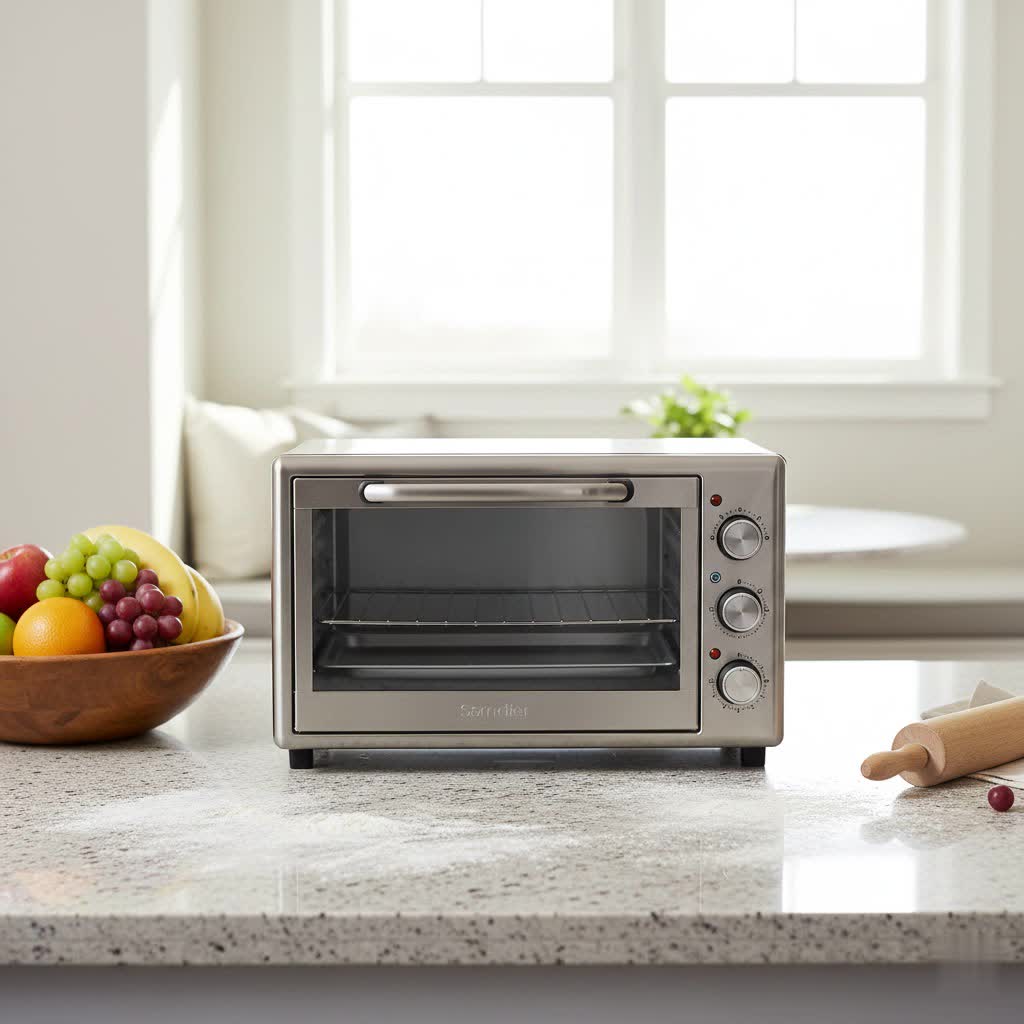
What is a Non-Toxic Toaster Oven?
A non-toxic toaster oven is a compact, multi-functional kitchen appliance designed to perform various cooking tasks such as toasting, baking, roasting, and air frying, while prioritizing your health by minimizing or eliminating harmful chemicals from its construction. Unlike conventional models, these ovens are specifically engineered with materials that resist leaching toxins into your food or off-gassing into your home environment, ensuring peace of mind with every meal. They offer the convenience of a traditional toaster oven without the hidden dangers.
Why Choose a Non-Toxic Toaster Oven? Understanding the Risks
The seemingly innocuous toaster oven can, unfortunately, expose you and your family to several concerning chemicals. Awareness of these hidden dangers is the first step toward making a safer choice for your kitchen.
The Threat of “Forever Chemicals”: PFAS, PTFE, and PFOA
|
Our Picks for the Best Toaster Oven in 2026
As an Amazon Associate I earn from qualifying purchases.
|
||
| Num | Product | Action |
|---|---|---|
| 1 | Cuisinart Custom Classic Toaster Oven Broiler, 1800 Watt Countertop Toaster Oven to Bake, Broil, and Toast, Non-Stick Interior, Consistent Toast Control, Brushed Stainless Steel/Black, TOB-40N |

|
| 2 | BLACK+DECKER TO1313SBD Toaster Oven, 15.47 Inch, Silver |
|
| 3 | BLACK+DECKER Crisp 'N Bake Air Fry Countertop Convection Toaster Oven, Medium Capacity, 4-Slice, 5-in-1, Fits 9” Pizza, 30-Min Timer, Bake, Broil, Air Fry, Toast, Keep Warm, Stainless Steel |
|
| 4 | Emeril Lagasse Extra Large French Door Air Fryer Toaster Oven Combo, 24 Cooking Functions and Digital Controls, 7 Accessories Included, Stainless Steel Finish, 26QT Capacity |
|
| 5 | Breville BOV450XL Mini Smart Countertop Oven and Toaster Oven, Small, Brushed Stainless Steel |
|
| 6 | BLACK+DECKER 4-Slice Toaster Oven with Natural Convection, Stainless Steel, TO1760SS (TO1760SST-1) |
|
| 7 | Gourmia Toaster Oven Digital Air Fryer - Convection Mode with 4 Slice Capacity, 3 Rack Positions, 12 Presets, Toast, Bagel, Bake, Roast, Broil, Dehydrate, Popcorn, Fits 9" Pizza, Black |
|
| 8 | Ninja Toaster Oven & Air Fryer, 8-in-1 Functionality, Large Capacity, Air Fry Basket, Sheet Pan, Wire Rack & Removable Crumb Tray, Stainless,1800 watts, SP151 |
|
| 9 | Elite Gourmet ETO236 Personal Compact 2 Slice Countertop Toaster Oven with 15 Minute Timer & Adjustable Temperature, Bake, Broil, & Toast, Black |
|
| 10 | Cuisinart Air Fryer Toaster Oven, 1800W, 8-in-1 with Air Fry, Convection, Broil & Warm, 0.6 Cubic Feet, 60-Minute Timer, TOA-70NAS, Stainless Steel |
|
Many conventional toaster ovens feature non-stick coatings, often lauded for their convenience and easy cleanup. However, these coatings commonly contain per- and polyfluoroalkyl substances (PFAS), including polytetrafluoroethylene (PTFE) – known by brand names like Teflon – and perfluorooctanoic acid (PFOA). These are often referred to as “forever chemicals” because they resist breaking down in the environment and accumulate in the human body.
Exposure to PFAS has been linked to a disturbing array of health issues, including various cancers (testicular, kidney, liver, pancreatic), weakened childhood immunity, low birth weight, endocrine disruption, increased cholesterol, and weight gain. Even without direct food contact, these chemicals can aerosolize from heated surfaces, contaminating both your food and indoor air. The fumes can even be fatal to pets, particularly birds.
The Aluminum Conundrum
Aluminum is another material frequently found in toaster oven components like racks, baking pans, or even internal support bars. While it’s a common and lightweight metal, studies indicate that aluminum can migrate from food contact materials into your food. This migration increases with longer contact times and greater acidity of the food. Excessive aluminum exposure is associated with nervous system problems and bone disease. It’s crucial to be wary of uncoated aluminum or “aluminum-plated steel” accessories that might appear like stainless steel.
Hidden Dangers in Plastics and Coatings
Beyond the cooking surfaces, other parts of a toaster oven can pose risks. Plastic casings and components, especially when heated, can off-gas flame retardants and smoke suppressants, releasing toxic substances like styrene into your indoor air. While often not directly touching food, prolonged heating can still be a concern. Furthermore, some models may contain BPA in plastic parts, though direct food contact leading to exposure is generally considered low.
The Ambiguity of Ceramic Coatings
“Non-stick ceramic coatings” are frequently marketed as a safer, non-toxic alternative to traditional PTFE/PFOA coatings. However, this is an emerging area of concern that requires more research. These “sol-gel” coatings often utilize ceramic nanoparticles (such as titanium dioxide) which have been shown to migrate into food, especially as the coating scratches with normal use. Chronic exposure to titanium dioxide nanoparticles has been linked to immune disruption and precancerous gut lesions. Some ceramic coatings may also contain various metals, including lead, cadmium, and zinc, or even be hybrid coatings that still include PFAS.
California’s Proposition 65 Warning
Many toaster ovens carry a California Proposition 65 warning label, which indicates the product contains chemicals known to cause cancer, birth defects, or other reproductive harm. While this warning might sometimes relate to a low-risk component like lead in a power cord, it can also signify the presence of more concerning chemicals in food-contact areas. Brands are not always transparent about the specific chemical or exposure route, necessitating further investigation.
Key Features of a Truly Non-Toxic Toaster Oven
Choosing a non-toxic toaster oven means prioritizing specific materials and design elements that minimize chemical exposure.
Ideal Interior Materials: Stainless Steel and PFAS-Free Enamel
The gold standard for a non-toxic toaster oven interior is 100% food-grade stainless steel. This material is durable, non-reactive, and does not leach harmful chemicals into your food. Look for models that explicitly state a stainless steel interior, as many brands use stainless steel only for the exterior.
Another excellent alternative is a PFAS-free enamel-coated interior. Enamel is a glass-like coating applied to metal, known for its durability and resistance to high temperatures without breaking down or releasing toxic fumes. This type of coating offers non-stick properties without the risks associated with synthetic non-stick materials.
Exterior Materials and Design
For the exterior, stainless steel is a popular and safe choice, contributing to durability and a sleek aesthetic. Glass components, particularly for the cooking pot in some air fryer models, also offer a completely non-toxic option that is easy to clean. Thoughtful design elements like cool-touch exteriors and automatic shut-off features enhance overall safety.
Safe Accessories and Cookware
The accessories that come with your toaster oven are just as important as the oven’s interior. Avoid included racks or baking pans made from aluminum or conventional non-stick coatings. Instead, opt for accessories made from:
- Stainless steel: Ideal for racks, baskets, and baking sheets.
- Parchment paper: A safe, single-use lining for baking.
- Silicone mats: High-quality, food-grade silicone can withstand high temperatures.
Many recommended non-toxic toaster ovens may still come with aluminum or ceramic-coated accessories. It’s often advisable to replace these with safer alternatives.
Types of Non-Toxic Toaster Ovens
The world of toaster ovens has expanded significantly, with many models offering versatile cooking functions. Thankfully, non-toxic options are available across these types.
- Basic Toaster Ovens: These primarily handle toasting bread, bagels, and reheating small items. They are generally simpler in design and can be easier to find in all-stainless steel configurations.
- Convection Toaster Ovens: These models include a fan to circulate hot air, allowing for faster and more even cooking, baking, and roasting. Many non-toxic options are available with convection features.
- Air Fryer Toaster Oven Combos: This increasingly popular category combines the functions of a toaster oven with the crisping power of an air fryer. Look for models with stainless steel interiors and PFAS-free air fry baskets and trays to ensure a non-toxic cooking experience. Brands like Our Place, Cuisinart, Breville, Panasonic, and Ninja offer various air fryer toaster oven combos with non-toxic considerations.
How to Choose the Best Non-Toxic Toaster Oven: Your Buying Guide
Selecting the perfect non-toxic toaster oven requires careful consideration of your cooking habits and a keen eye for materials.
1. Assess Your Needs and Lifestyle
Before diving into models, consider:
- What will you cook most often? (Toast, pizzas, roasted vegetables, air-fried snacks, baked goods)
- How many people are you cooking for? (Determines capacity)
- How much counter space do you have? (Crucial for compact vs. larger models)
- What’s your budget? (Non-toxic options can range in price, but are a worthy investment in health).
2. Prioritize Material Transparency
This is the most critical factor. Look for manufacturers that explicitly state their products are:
- PFAS-free, PTFE-free, and PFOA-free.
- Made with food-grade stainless steel for interior surfaces.
- Utilizing PFAS-free enamel for any non-stick interiors or accessories.
- Avoid products with undisclosed “non-stick” or “easy-clean” coatings without verification.
- Be wary of vague “BPA-free” claims, as they don’t guarantee overall non-toxicity.
If material information is unclear, don’t hesitate to contact the manufacturer’s customer service or product quality department for detailed disclosures.
3. Consider Capacity and Power
Match the toaster oven’s capacity to your household size. A mini oven might suffice for a single person, while a larger, “extra-wide” model is better for families or those who frequently cook larger meals. Higher wattage generally means faster preheating and cooking times, which can be a valuable feature for busy individuals.
4. Evaluate Functions and Features
Decide which cooking functions are essential for you:
- Convection: For faster, more even results.
- Air Fry: If you enjoy crispy foods with less oil.
- Presets: For convenience with common dishes like toast, pizza, or bagels.
- Temperature Control: Precise digital controls offer better cooking accuracy than basic dials.
- Ease of Cleaning: While stainless steel isn’t inherently non-stick, a well-designed interior can still be easy to wipe down. A removable crumb tray is a must.
5. Research Brand Reputation and Warranties
Choose reputable brands known for quality and customer service. Check for explicit chemical disclosures on their websites. A good warranty can also provide reassurance regarding durability and potential issues.
6. Plan for Accessory Replacements
Even with a non-toxic toaster oven, some manufacturers might include problematic accessories. Be prepared to purchase separate stainless steel baking pans, racks, or silicone mats if the included ones are aluminum or have conventional non-stick coatings.
Top Non-Toxic Toaster Oven Recommendations
Based on materials, features, and manufacturer transparency, several brands stand out in the non-toxic toaster oven market:
- Our Place Wonder Oven: This compact, multi-functional oven is praised for being PFAS-free. It features a stainless steel interior and comes with a non-toxic, non-stick ceramic-coated sheet pan, chromed steel mesh air fryer basket, wire rack, and crumb tray. Its steam-infusion technology helps achieve crispy results.
- Cuisinart Stainless Steel Air Fryer Toaster Oven: Several Cuisinart models, particularly those featuring stainless steel interiors, are good options. These models often boast multiple cooking functions like air fry, toast, convection bake, and broil. Look for specific models confirmed to be PFAS-free.
- Breville Smart Oven Air Fryer Pro: Known for its precision and spacious interior, Breville offers stainless steel models where the cooking surfaces are designed without non-stick coatings. The included baking pan is often enamel coated, a safer alternative. It excels in air frying and roasting capabilities.
- Panasonic FlashXpress Toaster Oven: This model is notable for its PFAS-free enamel-coated interior and dual infrared heating technology, which allows for quick cooking without preheating. It’s a compact option that delivers efficient and healthy results.
- GreenPan Bistro 9-in-1 Air Fry Oven: GreenPan is dedicated to PFAS- and chemical-free cooking, and their toaster oven reflects this commitment. It features PFAS- and toxin-free ceramic nonstick surfaces on its interior and accessories, including the air fryer basket and baking tray.
Tips for Safe Use and Maintenance
Even with a non-toxic toaster oven, proper usage and maintenance can further enhance safety and longevity.
- Initial Off-Gassing: When using any new appliance for the first time, run it empty at its highest temperature for a period (check the manual for recommendations) in a well-ventilated area. This helps burn off any manufacturing residues.
- Choose Safe Cookware and Liners: Always use stainless steel baking sheets and racks. For lining, opt for parchment paper or high-quality silicone mats instead of aluminum foil, which can leach metals into food and pose a fire hazard.
- Regular Cleaning: Unplug the toaster oven before cleaning. Regularly empty and clean the crumb tray to prevent smoking or fire hazards. For interior cleaning, a mixture of vinegar, warm water, and dish soap with a non-abrasive sponge is effective for stainless steel and enamel. Avoid harsh chemicals that could damage surfaces.
- Avoid Overcooking: Burnt toast and overcooked foods can create fine particle air pollution. Aim for a golden brown rather than dark brown to reduce potential pollutants.
Conclusion
Choosing a non-toxic toaster oven is a significant step towards a healthier home and a safer way to prepare your meals. By understanding the potential hazards of materials like PFAS, aluminum, and certain ceramic coatings, you can make informed decisions. Prioritizing models constructed with 100% food-grade stainless steel or PFAS-free enamel, and being mindful of included accessories, empowers you to cook with confidence.
Embrace the convenience and versatility of a toaster oven without compromising your health. Invest in a non-toxic model, follow safe usage practices, and transform your kitchen into a haven of wholesome cooking. What will be the first healthy, crispy creation you whip up in your new non-toxic toaster oven?
Frequently Asked Questions
Are ceramic toaster oven coatings always non-toxic?
Not necessarily. While often marketed as a safer alternative to PTFE/PFOA, ceramic coatings can still contain heavy metals, nanoparticles, or even hidden PFAS. More research is needed to fully understand their long-term safety, and direct food contact with these coatings should ideally be avoided.
Can I use aluminum foil in a non-toxic toaster oven?
It is best to avoid using aluminum foil in any toaster oven, including non-toxic ones. Aluminum can leach into food, especially acidic or heavily salted items, and poses a fire hazard. Safer alternatives include parchment paper, silicone baking mats, or stainless steel baking trays.
What does a California Proposition 65 warning mean on a toaster oven?
A Prop 65 warning indicates that a product contains chemicals known to the state of California to cause cancer, birth defects, or reproductive harm. It doesn’t always mean a high risk, as it could be due to lead in the power cord. However, if the warning is due to non-stick coatings on food-contact surfaces, it warrants serious concern.
Is stainless steel truly non-toxic for cooking appliances?
Yes, 100% food-grade stainless steel is widely considered one of the safest and most non-toxic materials for cooking appliances. It is durable, non-reactive, and does not leach harmful chemicals into food under normal use. Ensure both the interior and exterior are primarily stainless steel for optimal safety.
