Are you tired of heating up your colossal conventional oven for a single slice of pizza or a quick batch of cookies? Or perhaps your trusty toaster just isn’t cutting it for those weekend brunches? Enter the toaster oven – a versatile countertop appliance that promises to revolutionize your daily cooking, baking, and toasting routines. This comprehensive guide will navigate you through the world of toaster ovens, helping you understand their capabilities, identify key features, and choose the model that perfectly fits your culinary ambitions and kitchen space.
What Exactly is a Toaster Oven?
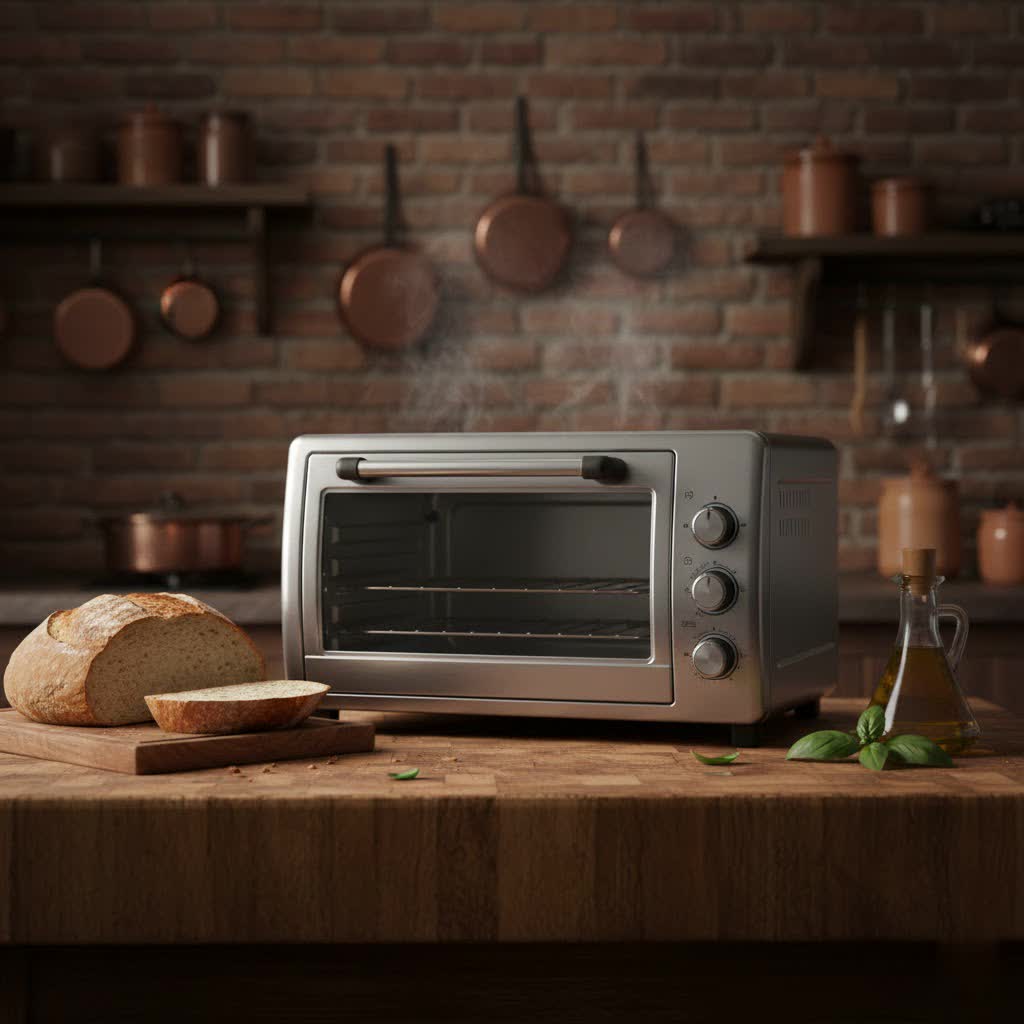
At its core, a toaster oven is a compact electric oven designed to sit on your kitchen countertop. Far more versatile than a traditional pop-up toaster, it functions as a miniature oven, capable of much more than just browning bread. These handy appliances typically feature heating elements at the top and bottom, often with adjustable racks, allowing for a range of cooking methods from simple toasting to more complex baking, broiling, and roasting.
The concept of a small, countertop oven has evolved significantly over the years. What started as a simple device to toast bread has transformed into a multi-functional kitchen powerhouse, incorporating advanced technologies like convection fans and smart digital controls. They cater to a modern lifestyle, offering a quick and energy-efficient alternative for preparing smaller meals and snacks without the need to preheat a large oven.
The Advantages and Disadvantages of a Toaster Oven
Deciding whether a toaster oven is right for you involves weighing its unique benefits against its limitations, especially when compared to conventional ovens and microwaves.
Pros of Toaster Ovens:
- Exceptional Versatility: Unlike a standard toaster, a toaster oven can toast, bake, broil, warm, and often even air fry, roast, or dehydrate. This makes it an incredibly multi-purpose appliance.
- Energy Efficiency for Small Tasks: Heating a full-sized oven consumes a significant amount of energy. For smaller meals, snacks, or single servings, a toaster oven uses considerably less electricity, saving you money on utility bills.
- Space-Saving Design: For apartments, dorms, or kitchens with limited space, a toaster oven offers oven-like functionality without taking up valuable floor space.
- Faster Preheat Times: Toaster ovens typically heat up much faster than conventional ovens, meaning less waiting time to get your food cooking.
- Convenience: Ideal for reheating leftovers that you want to be crispy, melting cheese on sandwiches, or preparing quick meals without heating up your entire kitchen.
|
Our Picks for the Best Toaster Oven in 2026
As an Amazon Associate I earn from qualifying purchases.
|
||
| Num | Product | Action |
|---|---|---|
| 1 | Elite Gourmet ETO236 Personal Compact 2 Slice Countertop Toaster Oven with 15 Minute Timer & Adjustable Temperature, Bake, Broil, & Toast, Black |

|
| 2 | Gourmia Toaster Oven Digital Air Fryer - Convection Mode with 4 Slice Capacity, 3 Rack Positions, 12 Presets, Toast, Bagel, Bake, Roast, Broil, Dehydrate, Popcorn, Fits 9" Pizza, Black |
|
| 3 | Ninja Toaster Oven & Air Fryer, 8-in-1 Functionality, Large Capacity, Air Fry Basket, Sheet Pan, Wire Rack & Removable Crumb Tray, Stainless,1800 watts, SP151 |
|
| 4 | BLACK+DECKER TO1313SBD Toaster Oven, 15.47 Inch, Silver |
|
| 5 | Cuisinart Air Fryer Toaster Oven, 1800W, 8-in-1 with Air Fry, Convection, Broil & Warm, 0.6 Cubic Feet, 60-Minute Timer, TOA-70NAS, Stainless Steel |
|
| 6 | Breville BOV450XL Mini Smart Countertop Oven and Toaster Oven, Small, Brushed Stainless Steel |
|
| 7 | Emeril Lagasse Extra Large French Door Air Fryer Toaster Oven Combo, 24 Cooking Functions and Digital Controls, 7 Accessories Included, Stainless Steel Finish, 26QT Capacity |
|
| 8 | Cuisinart Custom Classic Toaster Oven Broiler, 1800 Watt Countertop Toaster Oven to Bake, Broil, and Toast, Non-Stick Interior, Consistent Toast Control, Brushed Stainless Steel/Black, TOB-40N |
|
| 9 | BLACK+DECKER Crisp 'N Bake Air Fry Countertop Convection Toaster Oven, Medium Capacity, 4-Slice, 5-in-1, Fits 9” Pizza, 30-Min Timer, Bake, Broil, Air Fry, Toast, Keep Warm, Stainless Steel |
|
| 10 | BLACK+DECKER 4-Slice Toaster Oven with Natural Convection, Stainless Steel, TO1760SS (TO1760SST-1) |
|
Cons of Toaster Ovens:
- Limited Capacity: Their compact size means they are not suitable for cooking large meals, such as a full holiday turkey or multiple baking sheets of cookies simultaneously.
- Potentially Slower for Large Items: While quick for small items, cooking larger or denser foods might still take more time than in a microwave, or a conventional oven due to the smaller heating chamber and lower wattage compared to a full-size oven.
- Exterior Heat: Many toaster ovens can get quite hot on their exterior surfaces during operation, requiring careful placement and handling.
- Cleaning Can Be Tricky: While many have removable crumb trays, baked-on grease and food splatters in tight corners can sometimes be challenging to clean effectively.
> “A toaster oven bridges the gap between a traditional toaster and a full-sized oven, offering surprising utility and efficiency for everyday cooking tasks.”
Exploring the Diverse Types of Toaster Ovens
The market offers a wide array of toaster ovens, each designed with different needs and functionalities in mind. Understanding these categories can help you narrow down your choices.
Classification by Size:
- Mini Toaster Ovens: Perfect for individuals or those with extremely limited counter space, typically toasting 2-4 slices of bread or a personal pizza. They are often very basic with limited temperature control.
- Small Toaster Ovens: Slightly larger, these can usually accommodate 4-6 slices of toast or a 9-inch pizza. They are a good option for one to two people.
- Medium Toaster Ovens: These offer more flexibility, often fitting 6-8 slices of toast or a 10-12 inch pizza, and are suitable for small families.
- Large and Extra-Large Toaster Ovens: Designed for bigger families or those who want to prepare more substantial meals, some can fit a 13-inch pizza, a whole roast chicken, or a 9×13 inch baking pan. These models often come with two racks.
Classification by Functionality:
- Basic Toaster Ovens: These models usually offer essential functions like toast, bake, and broil, with simple dial controls for temperature and timer.
- Convection Toaster Ovens: Equipped with a fan that circulates hot air, convection models cook food more quickly and evenly, resulting in better browning and crisping. Many consider this a must-have feature for improved cooking performance.
- Air Fryer Toaster Ovens: A popular hybrid, these combine the functions of a toaster oven with the powerful, hot air circulation of an air fryer. They excel at producing crispy foods with less oil, mimicking the results of deep-frying.
- Rotisserie Toaster Ovens: Some larger models include a rotisserie spit, allowing you to roast whole chickens or other meats, providing a convenient way to achieve juicy, evenly cooked results.
- Smart Toaster Ovens: Featuring digital controls, preset cooking functions, and sometimes even app connectivity, these offer precise temperature control and advanced cooking options.
Popular Brands to Consider:
Many reputable brands offer a range of toaster ovens, each with its own strengths. Some widely recognized names include Breville, Cuisinart, Black+Decker, Hamilton Beach, Instant Pot, Ninja, and Panasonic. Each brand often specializes in certain features or price points, offering a diverse selection to meet various consumer needs.
Your Ultimate Toaster Oven Buying Guide
Choosing the ideal toaster oven requires careful consideration of your lifestyle, cooking habits, and kitchen environment.
1. Determining Your Usage Needs:
- What will you cook most often? If it’s mainly toast and bagels, a basic model might suffice. For air frying, baking, or roasting, look for models with those specific functions.
- How many people are you cooking for? This will dictate the necessary capacity. A solo cook might prefer a mini or small model, while a family needs a medium to extra-large size.
- What’s your budget? Toaster ovens range from budget-friendly basic models to high-end smart appliances. Decide how much you’re willing to invest in features and brand.
2. Key Factors to Consider:
- Capacity: Often described by the number of bread slices it can toast or the pizza size it can fit (e.g., 4-slice, 6-slice, 9-inch pizza). Ensure it can accommodate your typical baking pans or dishes.
- Wattage and Power: Higher wattage (e.g., 1200-1800 watts) generally means faster heating and more powerful cooking.
- Functions: Prioritize functions that align with your cooking style. Look for bake, broil, toast, warm, convection, air fry, dehydrate, slow cook, and defrost options. Digital controls often offer more precise temperature and time settings.
- Brand Reputation and Warranty: Research reputable brands known for quality and reliability. Check the warranty details for peace of mind.
- Material and Design: Stainless steel models are durable and often easier to clean. Consider the overall aesthetics to ensure it complements your kitchen decor.
- Accessories: Many come with a crumb tray, baking pan, and wire rack. Some include additional items like an air fry basket, rotisserie spit, or pizza stone, which can enhance versatility.
- Safety Features: Automatic shut-off is a common safety feature. An interior light is also a practical addition, allowing you to monitor food without opening the door and losing heat.
- Ease of Cleaning: Removable, non-stick interior parts and an accessible crumb tray significantly simplify maintenance.
3. Important Buying Tips:
- Inspect the Product: If buying in-store, check for any damage, especially to the door seal and interior.
- Read the Manual: Always read the user manual before first use to understand all features and safety guidelines.
- Understand the Warranty: Familiarize yourself with the manufacturer’s warranty and return policy.
Top Toaster Oven Features to Look For
While specific models vary, certain features consistently stand out in highly-rated toaster ovens:
- Convection Technology: As mentioned, a fan for circulating hot air is a game-changer for even cooking and faster results.
- Air Fry Capability: For healthy, crispy fried foods without excessive oil, an integrated air fryer function is highly desirable.
- Multiple Rack Positions: This allows you to adjust your food’s proximity to heating elements, crucial for different cooking tasks (e.g., broiling closer to the top, baking in the middle).
- Digital Controls and Presets: Offer precise temperature and time settings, often with pre-programmed options for common foods like toast, bagels, pizza, or cookies.
- Non-Stick Interior: Makes cleaning significantly easier by preventing food from sticking to surfaces.
- Slide-Out Crumb Tray: Essential for hygiene and preventing burnt crumbs. Look for one that’s easily removable from the front.
- Interior Light: Allows you to check on your food without opening the door and interrupting the cooking process.
Essential Tips for Using and Maintaining Your Toaster Oven
To ensure your toaster oven performs optimally and lasts for years, proper usage and consistent maintenance are key.
Smart Usage Practices:
- Don’t Overload: Avoid overfilling the oven with food. This can lead to uneven cooking and make cleaning much harder. Always follow manufacturer guidelines for capacity.
- Use Proper Cookware: Only use bakeware specifically designed as “oven-safe” or “toaster oven safe.” Avoid plastic, paper, or delicate glass containers that could melt, warp, or shatter.
- Mind the Gap: Ensure there’s adequate space around the toaster oven for proper ventilation, as exteriors can get hot. Never stack items on top of it.
- Avoid Liquids Directly: Do not attempt to boil liquids or cook extremely greasy foods that might splatter and drip onto the heating elements, potentially causing smoke or fire.
Keeping Your Toaster Oven Spotless:
Regular cleaning not only maintains hygiene but also boosts efficiency and extends the lifespan of your appliance.
- Unplug and Cool: Always ensure the toaster oven is unplugged and completely cool before you start cleaning.
- Empty Crumb Tray: This is the most crucial step. Remove the crumb tray after every few uses (or daily if used frequently) and empty crumbs. Wash it with warm, soapy water and dry thoroughly.
- Remove and Clean Racks/Pans: Take out any racks, baking pans, or air fry baskets. Wash them with warm, soapy water. For stubborn, baked-on residue, soaking them for a while before scrubbing can help.
- Wipe Down the Interior: Use a damp cloth or sponge with a mild solution of warm water and a little dish soap or a mixture of white vinegar and water. Gently wipe down the interior walls, ceiling, and bottom. Avoid harsh chemicals or abrasive scrubbers that can damage surfaces or heating elements.
- Clean Heating Elements: For most models, you can gently wipe the heating elements with a slightly damp cloth to remove buildup. Consult your manual, as some newer models advise against touching elements with anything. Never use soapy water or cleaners directly on them.
- Clean the Glass Door: A mixture of baking soda paste and water, or a vinegar and water solution, can effectively remove grease and streaks. Apply, let sit for a few minutes, then wipe clean with a damp cloth and dry.
- Wipe the Exterior: Use a damp cloth to wipe the exterior, paying attention to knobs and handles.
Troubleshooting Common Issues:
- Uneven Heating: Often caused by food particles on heating elements or incorrect rack placement. Clean the elements and ensure racks are positioned appropriately.
- Burning Smell: Usually a sign of leftover food residue or grease. Unplug, allow to cool, and perform a thorough cleaning.
- Door Not Closing Properly: Check for obstructions or misaligned parts. A damaged door seal may need replacement.
Conclusion
The toaster oven is a marvel of modern kitchen convenience, offering a compact, efficient, and highly versatile cooking solution. Whether you’re a seasoned chef or just looking for a more efficient way to prepare daily meals, understanding the different types, key features, and maintenance requirements will empower you to make an informed choice. By selecting the right model and giving it a little care, your toaster oven can become an indispensable part of your kitchen, simplifying cooking and adding crispy perfection to countless dishes.
What will be the first delicious meal you create in your new toaster oven?
Frequently Asked Questions
Can a toaster oven truly replace a full-sized oven?
While a toaster oven is incredibly versatile and can handle many cooking tasks, it cannot fully replace a large conventional oven due to its limited capacity. It’s best suited for small to medium-sized dishes, reheating leftovers, and quick baking, serving as an excellent supplement rather than a complete replacement for larger cooking needs.
Is a toaster oven more energy-efficient than a microwave?
For quick reheating, microwaves are generally more energy-efficient and faster because they don’t require preheating. However, for tasks like baking, roasting, or toasting that require browning and crisping, a toaster oven uses significantly less energy than a full-sized oven, making it the more efficient choice for those specific cooking methods.
How do I know what size toaster oven is right for me?
Consider your typical cooking volume and available counter space. If you’re cooking for one or two people and mainly making toast or small snacks, a mini or small model will suffice. For families or those who want to prepare larger items like a whole chicken or a 12-inch pizza, a medium to extra-large capacity toaster oven with multiple racks would be more appropriate.
