In the bustling heart of any home, the kitchen, two compact appliances often compete for countertop space and culinary duties: the toaster oven and the microwave. Both promise convenience, but their distinct heating methods and functionalities cater to different cooking needs. Choosing between them, or deciding how to best utilize both, can be a challenge for home cooks everywhere. This comprehensive guide will slice through the confusion, helping you understand the unique strengths of each appliance, navigate their features, and ultimately decide which is the perfect fit for your kitchen and cooking style.
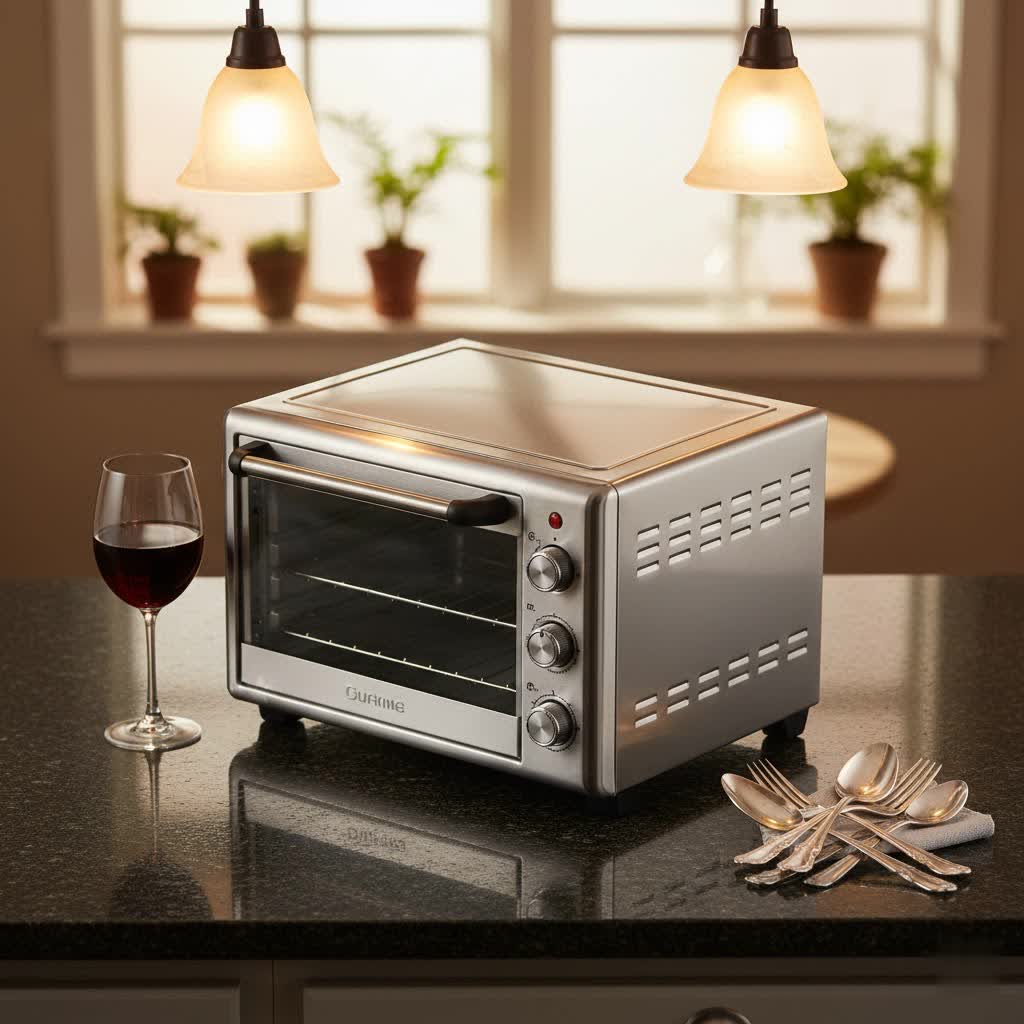
What is a Toaster Oven?
A toaster oven is essentially a smaller, more compact version of a conventional oven, designed to sit conveniently on a kitchen countertop. It utilizes electric heating elements, typically positioned above and below the food, to generate radiant heat, much like a full-sized oven. This method allows it to perform various cooking tasks beyond simple toasting.
The concept of the toaster oven evolved from early electric toasters. The first electric bread toaster emerged in 1872, but it was in 1910 that William Hadaway of Westinghouse Corporation is credited with inventing the first toaster oven. This innovation expanded beyond merely browning bread slices, offering a limited capacity for baking and broiling, and quickly became a versatile staple in homes.
What is a Microwave Oven?
A microwave oven, on the other hand, operates on a fundamentally different principle. Instead of radiant heat, it employs electromagnetic waves (microwaves) to excite the water molecules within food. This rapid vibration generates heat, cooking food quickly from the inside out. Microwaves excel at speed and efficiency for specific tasks, making them indispensable for busy households.
Toaster Oven vs. Microwave: A Head-to-Head Comparison
Understanding the core differences between a toaster oven and a microwave is crucial for making an informed decision. While both are countertop appliances, they each bring unique capabilities to the kitchen.
| Feature | Toaster Oven | Microwave Oven |
|---|---|---|
| Heating Method | Radiant heat from electric coils (like a conventional oven) | Electromagnetic waves excite water molecules |
| Cooking Speed | Slower, requires preheating (faster than a full oven) | Very fast, no preheating needed |
| Cooking Quality | Browns, crisps, bakes, roasts, melts cheese evenly | Heats from inside out; can make food soggy/chewy, no browning |
| Versatility | Highly versatile (toast, bake, broil, roast, reheat, air fry, convection) | Best for reheating, defrosting, steaming, boiling liquids |
| Energy Use | 1,200-1,800 watts; less than a full oven, more than microwave for quick tasks | 700-1,300 watts; very efficient for short bursts |
| Capacity | Small to medium (2-9 slices of toast, small pizza) | Varies, often larger interior volume |
| Cookware | Metal, glass, ceramic (oven-safe) | Microwave-safe glass, ceramic, plastic (no metal) |
| Maintenance | More components (racks, crumb tray, heating elements) requiring thorough cleaning | Smooth interior, often easier to wipe down; steam-clean functions |
| Safety | Exterior can get hot, fire risk with crumbs | Exterior remains cool, less fire risk, specific material warnings |
Heating Method
|
Our Picks for the Best Toaster Oven in 2026
As an Amazon Associate I earn from qualifying purchases.
|
||
| Num | Product | Action |
|---|---|---|
| 1 | BLACK+DECKER 4-Slice Toaster Oven with Natural Convection, Stainless Steel, TO1760SS (TO1760SST-1) |

|
| 2 | Gourmia Toaster Oven Digital Air Fryer - Convection Mode with 4 Slice Capacity, 3 Rack Positions, 12 Presets, Toast, Bagel, Bake, Roast, Broil, Dehydrate, Popcorn, Fits 9" Pizza, Black |
|
| 3 | Cuisinart Air Fryer Toaster Oven, 1800W, 8-in-1 with Air Fry, Convection, Broil & Warm, 0.6 Cubic Feet, 60-Minute Timer, TOA-70NAS, Stainless Steel |
|
| 4 | Cuisinart Custom Classic Toaster Oven Broiler, 1800 Watt Countertop Toaster Oven to Bake, Broil, and Toast, Non-Stick Interior, Consistent Toast Control, Brushed Stainless Steel/Black, TOB-40N |
|
| 5 | Elite Gourmet ETO236 Personal Compact 2 Slice Countertop Toaster Oven with 15 Minute Timer & Adjustable Temperature, Bake, Broil, & Toast, Black |
|
| 6 | Breville BOV450XL Mini Smart Countertop Oven and Toaster Oven, Small, Brushed Stainless Steel |
|
| 7 | BLACK+DECKER TO1313SBD Toaster Oven, 15.47 Inch, Silver |
|
| 8 | Ninja Toaster Oven & Air Fryer, 8-in-1 Functionality, Large Capacity, Air Fry Basket, Sheet Pan, Wire Rack & Removable Crumb Tray, Stainless,1800 watts, SP151 |
|
| 9 | Emeril Lagasse Extra Large French Door Air Fryer Toaster Oven Combo, 24 Cooking Functions and Digital Controls, 7 Accessories Included, Stainless Steel Finish, 26QT Capacity |
|
| 10 | BLACK+DECKER Crisp 'N Bake Air Fry Countertop Convection Toaster Oven, Medium Capacity, 4-Slice, 5-in-1, Fits 9” Pizza, 30-Min Timer, Bake, Broil, Air Fry, Toast, Keep Warm, Stainless Steel |
|
The fundamental difference lies in how these appliances transfer heat to food. Toaster ovens use radiant heat from coils, similar to a traditional oven. This direct heat allows for browning, crisping, and caramelization, giving food desirable textures and flavors. Microwaves, however, use electromagnetic waves that penetrate food and cause water molecules to vibrate, generating heat from within. This method is incredibly fast but does not interact with the food’s surface in a way that produces browning or crisping.
Cooking Speed
When speed is the priority, the microwave is the undeniable winner. It requires no preheating, and tasks like reheating leftovers, boiling water, or steaming vegetables can be completed in minutes. Toaster ovens, while faster than conventional ovens, still need a few minutes to preheat and cook slower overall, making them less suitable for instant gratification.
Cooking Quality and Versatility
For dishes where texture is key, the toaster oven often delivers superior results. It excels at toasting bread, crisping pizza crusts, baking cookies, roasting small batches of vegetables, or broiling cheese sandwiches. Many modern toaster ovens also include convection fans for more even and faster cooking, or even air-frying capabilities, greatly expanding their versatility. Microwaves are best for reheating and defrosting, especially foods with high water content. They are not designed for baking or achieving crispy textures, which can lead to soggy bread or chewy reheated pizza.
Energy Efficiency
The question of energy efficiency is nuanced. For quick reheating and defrosting tasks (e.g., a cup of coffee or a bowl of soup), a microwave is generally more energy-efficient due to its rapid cooking time and lower wattage (700-1300 watts). Toaster ovens typically use more wattage (1200-1800 watts) and longer cooking times. However, for baking or roasting small meals that would otherwise require a full-sized oven (which consumes around 3000 watts), a toaster oven is significantly more energy-efficient.
Capacity and Size
Toaster ovens generally occupy a smaller footprint on the countertop, with capacities ranging from being able to toast 2-9 slices of bread or fit a 6-inch to 13-inch pizza. They are ideal for individuals or small families. Microwaves come in a wider range of sizes, from compact models to larger family-sized units, often with greater internal cubic footage suitable for bigger dishes.
Maintenance and Safety
Both appliances require regular cleaning. Toaster ovens often have more removable parts, such as racks and crumb trays, which need cleaning to prevent food buildup and potential fire hazards. The exterior and interior (especially around heating elements) can also get very hot during operation, requiring careful handling. Microwaves, with their smooth interiors and removable turntables, are typically easier to clean, sometimes even offering steam-clean functions. The exterior usually remains cool to the touch. However, users must be mindful of using microwave-safe dishes to avoid sparks or the release of harmful chemicals.
“When deciding between a toaster oven and a microwave, consider your daily cooking habits. Do you prioritize speed for reheating, or do you crave the crispy, browned textures only radiant heat can provide?”
Types of Toaster Ovens
Toaster ovens have evolved significantly, offering specialized functions to meet diverse culinary demands:
- Standard Countertop Toaster Ovens: These basic models handle essential tasks like toasting, reheating, baking, and broiling. They are straightforward and a good choice for simple cooking needs.
- Convection Toaster Ovens: Featuring an internal fan, convection models circulate hot air evenly around the food. This results in faster cooking times, more consistent browning, and improved energy efficiency.
- Air Fryer Toaster Ovens: A popular innovation, these models integrate powerful convection technology to simulate air frying. They can achieve crispy, fried-like textures with less oil, making them ideal for foods like french fries, chicken wings, and roasted vegetables.
- Infrared Toaster Ovens: Utilizing infrared light energy, these ovens heat up incredibly fast, often without needing a preheat cycle. They are highly efficient for quick tasks but may have smaller interiors.
Key Features to Consider in a Toaster Oven
When selecting a toaster oven, a range of features can enhance its utility and convenience:
- Capacity: Measured by slices of bread (e.g., 4-slice, 6-slice) or pizza size (e.g., 9-inch, 12-inch). Choose a size that matches your typical portion sizes and available counter space.
- Wattage/Power: Higher wattage usually means faster preheating and cooking. Models typically range from 1200 to 1800 watts.
- Functions: Beyond basic toast, look for bake, broil, warm, reheat, defrost, convection, and increasingly, air fry, rotisserie, dehydrate, slow cook, or proofing settings.
- Controls: Digital controls often offer precise temperature settings, preset cooking functions (e.g., pizza, bagel), and countdown timers. Analog dials are simpler and often found on more budget-friendly models.
- Crumb Tray: A removable crumb tray is essential for easy cleaning and preventing fire hazards.
- Interior Light: Allows you to monitor cooking progress without opening the door and losing heat.
- Automatic Shut-off: A safety feature that turns off the oven once the timer expires.
- Cool-Touch Exterior: While the interior gets hot, a cool-touch exterior can prevent accidental burns.
- Bagel Setting: Toasts the cut side of a bagel while gently warming the crust, preventing over-toasting.
- Toast Shade Control: Allows you to select your preferred level of toast darkness.
Toaster Oven Buying Guide: Finding Your Perfect Match
Choosing the right toaster oven involves a blend of personal needs and practical considerations.
Determine Your Usage Needs
Start by evaluating how you envision using the appliance:
- What foods will you primarily cook? If crisping and baking are frequent tasks (e.g., toast, bagels, frozen pizza, small batches of cookies, roasted vegetables, reheating crispy leftovers), a toaster oven is ideal. If primarily fast reheating of liquids and soft foods, a microwave might suffice.
- How many people are you cooking for? A single individual or couple might be well-served by a compact 4-slice model, while a small family might benefit from a larger 6-9 slice or 12-inch pizza capacity.
- What is your budget? Basic models are affordable, while feature-rich convection and air fryer units will naturally come at a higher price point.
Key Factors to Consider
- Capacity: Ensure the internal dimensions can accommodate your common cookware and food items.
- Power (Wattage): Higher wattage generally offers more robust performance.
- Functions: Prioritize functions you’ll genuinely use. Do you need air frying, or is basic baking enough?
- Brand Reputation: Established brands often offer better durability, customer support, and warranty.
- Material and Design: Stainless steel exteriors are common for durability and aesthetics. Consider a design that complements your kitchen and fits your available counter space.
Important Notes When Buying
- Inspect the Product: If buying in-store, check for any visible defects.
- Read the Manual: Always familiarize yourself with the manufacturer’s specific instructions for safe operation and cleaning.
- Understand the Warranty: Know what is covered and for how long.
Popular Toaster Oven Models and Brands
The market offers a wide array of excellent toaster ovens, with certain brands consistently earning high praise for their innovation and performance. Brands like Breville are often lauded for their “Smart Oven” series, known for precise temperature control, multiple cooking functions (including convection and air frying), and durable stainless steel construction. The Breville Smart Oven Pro and Breville Mini Smart Oven are frequently cited for their versatility and compact design, respectively.
Cuisinart also stands out with models like the Cuisinart Chef’s Convection Toaster Oven, offering robust performance for baking and roasting. For those seeking dedicated air-frying capabilities, units from Ninja Foodi and Instant Omni Plus are popular choices that combine the benefits of a toaster oven with powerful air-frying technology. More budget-friendly options from brands like Black+Decker and Hamilton Beach provide reliable basic functionality for everyday toasting and reheating. Panasonic’s FlashXpress is noted for its quick heating.
These brands represent a range of features and price points, from basic models perfect for simple toast and reheating to advanced multi-function ovens that can almost replace a full-sized kitchen oven for smaller meals. When exploring options, consider how these popular choices align with your specific cooking requirements and budget.
Tips for Using and Maintaining Your Toaster Oven
Proper usage and regular maintenance will extend the life of your toaster oven and ensure safe operation.
Smart Usage Tips
- Preheat When Necessary: For baking and roasting, preheating is crucial for even cooking results, just like with a conventional oven.
- Use Proper Cookware: Always use oven-safe materials like metal, glass, or ceramic. Never use plastic, styrofoam, or wax paper directly in a toaster oven, as they can melt or catch fire.
- Avoid Overloading: Do not cram too much food into the oven, as this obstructs air circulation and leads to uneven cooking.
- Mind Greasy Foods: Very greasy or fatty foods can splatter, creating smoke or potentially fire hazards if grease gets on the heating elements. Use a drip pan to catch drippings.
- Don’t Block Vents: Ensure adequate space around the toaster oven for proper ventilation.
Essential Cleaning and Maintenance
Regular cleaning is vital for both hygiene and safety.
- Unplug and Cool: Always ensure the appliance is unplugged and completely cooled down before you begin cleaning.
- Remove Crumb Tray: This is the most important step. Slide out the crumb tray and empty it into the trash. Wash it with warm, soapy water, then dry thoroughly before replacing. Neglecting this step is a leading cause of smoke and fire.
- Clean Racks and Pans: Remove any racks, baking pans, or drip pans. Wash them with warm, soapy water. For stubborn baked-on residue, you might need to soak them or use a paste of baking soda and water. Avoid abrasive scrubbers on non-stick coatings.
- Wipe Interior: Using a damp cloth or sponge with a mild detergent (or a baking soda paste for tough spots), gently wipe down the interior walls, floor, and ceiling. Be careful around the heating elements; a soft, damp cloth is usually sufficient for these without any cleansers.
- Clean the Glass Door: A mixture of baking soda and water, or a specialized glass cleaner, can remove grease and streaks from the glass door. Wipe dry with a clean cloth.
- Wipe Exterior: Use a damp cloth to clean the outside surface, including knobs and handles. For stainless steel, a vinegar-dampened cloth can add shine.
Common Issues and How to Address Them:
- Smoking: Usually caused by accumulated crumbs or grease. A thorough cleaning of the crumb tray, racks, and interior should resolve this.
- Uneven Toasting/Cooking: Could be due to uneven food placement, improper preheating, or a need for a convection model for better air circulation.
- Food Not Crisping: Ensure you are using the correct setting (e.g., toast, broil, air fry) and not placing food too close to the heating elements.
Conclusion
The choice between a toaster oven and a microwave, or the decision to embrace both, ultimately hinges on your unique culinary preferences and lifestyle. While the microwave reigns supreme in speed and efficiency for reheating and defrosting, the toaster oven offers unparalleled versatility and superior cooking quality for tasks demanding crisping, browning, and baking. It acts as a mini conventional oven, perfect for smaller meals and side dishes, often with greater energy efficiency than its full-sized counterpart.
By understanding their distinct functionalities and features, you can make an informed decision that elevates your everyday cooking. Do you prioritize lightning-fast convenience or the artisanal touch of perfectly browned toast and crispy roasted snacks? The right appliance will undoubtedly become an invaluable extension of your kitchen.
Frequently Asked Questions
Can a toaster oven completely replace a microwave?
While a toaster oven can perform many tasks, it cannot fully replace a microwave. Toaster ovens are slower and do not excel at heating liquids or high-water-content foods as quickly or efficiently as a microwave. They complement each other rather than being direct substitutes.
Which appliance uses more electricity, a toaster oven or a microwave?
For quick reheating tasks (under 5-10 minutes), a microwave is generally more energy-efficient. However, for cooking tasks that would otherwise require a full-sized oven (like baking or roasting), a toaster oven uses significantly less energy, making it the more efficient choice for those specific functions.
Can I bake a cake in a toaster oven?
Yes, absolutely! Toaster ovens are well-suited for baking small cakes, muffins, cookies, and other desserts. Their oven-like heating mechanism ensures even baking and allows for proper rising and browning, unlike a microwave.
Are toaster ovens safe?
Toaster ovens are safe when used correctly. It’s crucial to empty the crumb tray regularly, use oven-safe cookware, provide adequate ventilation, and never leave the appliance unattended, especially when cooking greasy foods, to prevent fire hazards. The exterior can become very hot during use.
What’s the main benefit of a convection toaster oven?
The main benefit of a convection toaster oven is the integrated fan that circulates hot air. This leads to more even cooking, faster overall cooking times, and can improve browning and crisping by drawing moisture away from the food’s surface.
