In today’s fast-paced world, every square inch of kitchen counter space is precious. Home cooks are constantly seeking appliances that can do more with less, streamlining their culinary routines without sacrificing quality or taste. If you’ve ever wished for the speed of a microwave combined with the crispy perfection of a toaster oven, the microwave toaster oven combo is your answer. This innovative appliance is designed to be a true kitchen superhero, ready to tackle everything from quick reheats to gourmet meals.
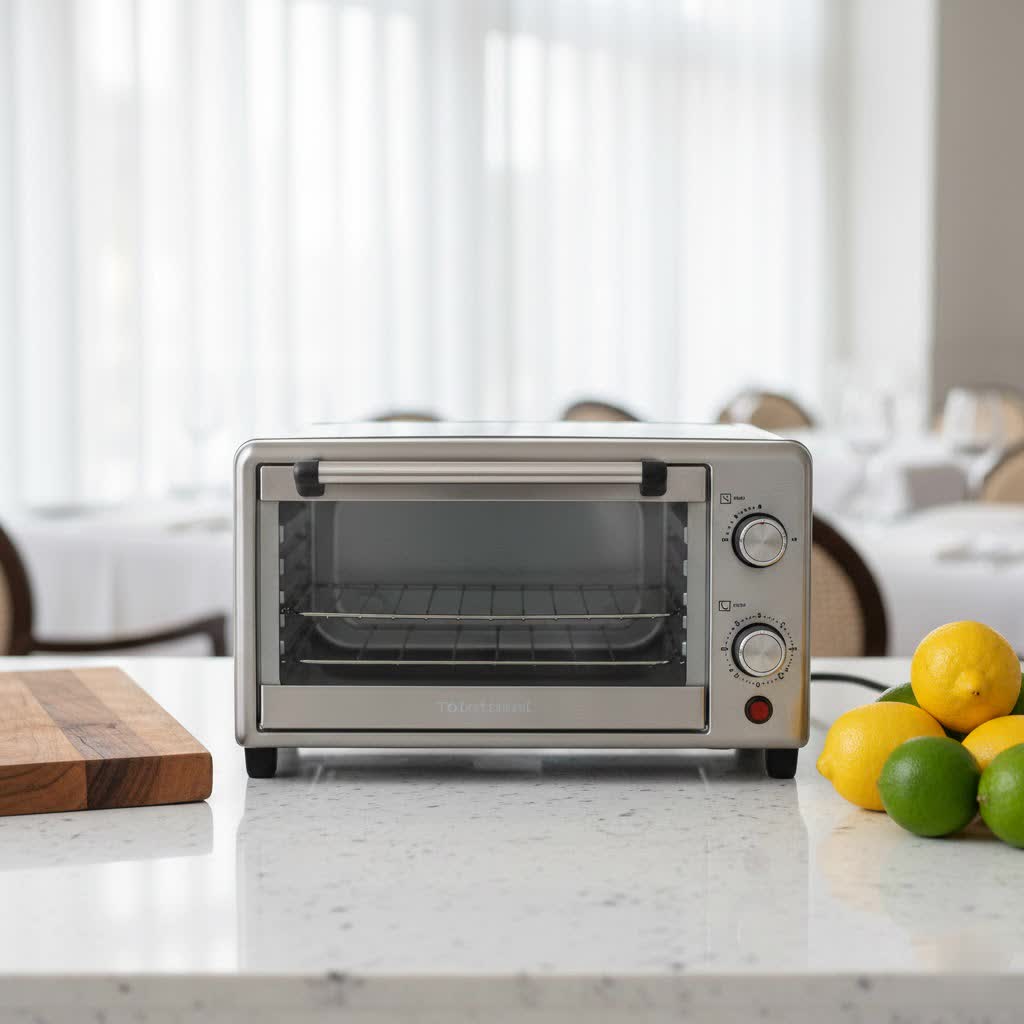
This comprehensive guide will delve into the world of microwave toaster oven combos, exploring what makes them indispensable, their pros and cons, the different types available, and how to choose the perfect model to revolutionize your cooking.
What is a Microwave Toaster Oven Combo?
A microwave toaster oven combo, often referred to as a convection microwave or a multi-oven, is a versatile countertop appliance that integrates the primary functions of both a microwave and a toaster oven into a single unit. Beyond basic reheating and toasting, these sophisticated devices frequently include convection baking, air frying, broiling, and roasting capabilities.
The core idea is to offer the best of both worlds: the rapid heating of a microwave, which uses electromagnetic waves to excite water molecules in food, and the radiant dry heat of a toaster oven, which uses heating elements to brown, crisp, and cook food much like a conventional oven. This dual functionality ensures that while you can quickly defrost or warm up leftovers, you can also achieve that desirable golden-brown crust on a pizza or perfectly roasted vegetables, all from one compact appliance.
Advantages and Disadvantages of Microwave Toaster Oven Combos
Choosing a multi-functional appliance comes with its own set of benefits and drawbacks. Understanding these can help you determine if a microwave toaster oven combo is the right fit for your kitchen and cooking style.
Advantages:
- Space-Saving Efficiency: This is perhaps the most significant benefit. By combining two (or even more) appliances into one, you free up valuable counter space, making it ideal for smaller kitchens, apartments, or anyone looking to declutter.
- Exceptional Versatility: These combos are kitchen workhorses. They can perform a wide array of cooking tasks, including microwaving, toasting, baking, broiling, air frying, and roasting. This means you can reheat last night’s dinner, toast bagels, bake cookies, or air-fry crispy chicken wings, all with one device.
- Improved Food Quality: Unlike a standard microwave that can leave food soggy, the toaster oven and convection functions allow for browning and crisping, delivering results closer to a traditional oven. Reheated pizza stays crunchy, and baked goods achieve a golden finish.
- Energy Efficiency for Small Batches: While not always more energy-efficient than a microwave for quick tasks, these combos use significantly less energy than a full-sized oven for smaller meals or single-serving portions, leading to potential savings on your electricity bill.
- Convenience and Speed: The ability to switch between cooking modes quickly adds immense convenience. You get the speed of microwave cooking when you need it and the quality of oven-style cooking without waiting for a large oven to preheat.
|
Our Picks for the Best Toaster Oven in 2026
As an Amazon Associate I earn from qualifying purchases.
|
||
| Num | Product | Action |
|---|---|---|
| 1 | Emeril Lagasse Extra Large French Door Air Fryer Toaster Oven Combo, 24 Cooking Functions and Digital Controls, 7 Accessories Included, Stainless Steel Finish, 26QT Capacity |

|
| 2 | Ninja Toaster Oven & Air Fryer, 8-in-1 Functionality, Large Capacity, Air Fry Basket, Sheet Pan, Wire Rack & Removable Crumb Tray, Stainless,1800 watts, SP151 |
|
| 3 | Cuisinart Air Fryer Toaster Oven, 1800W, 8-in-1 with Air Fry, Convection, Broil & Warm, 0.6 Cubic Feet, 60-Minute Timer, TOA-70NAS, Stainless Steel |
|
| 4 | Breville BOV450XL Mini Smart Countertop Oven and Toaster Oven, Small, Brushed Stainless Steel |
|
| 5 | BLACK+DECKER TO1313SBD Toaster Oven, 15.47 Inch, Silver |
|
| 6 | BLACK+DECKER 4-Slice Toaster Oven with Natural Convection, Stainless Steel, TO1760SS (TO1760SST-1) |
|
| 7 | Elite Gourmet ETO236 Personal Compact 2 Slice Countertop Toaster Oven with 15 Minute Timer & Adjustable Temperature, Bake, Broil, & Toast, Black |
|
| 8 | Gourmia Toaster Oven Digital Air Fryer - Convection Mode with 4 Slice Capacity, 3 Rack Positions, 12 Presets, Toast, Bagel, Bake, Roast, Broil, Dehydrate, Popcorn, Fits 9" Pizza, Black |
|
| 9 | BLACK+DECKER Crisp 'N Bake Air Fry Countertop Convection Toaster Oven, Medium Capacity, 4-Slice, 5-in-1, Fits 9” Pizza, 30-Min Timer, Bake, Broil, Air Fry, Toast, Keep Warm, Stainless Steel |
|
| 10 | Cuisinart Custom Classic Toaster Oven Broiler, 1800 Watt Countertop Toaster Oven to Bake, Broil, and Toast, Non-Stick Interior, Consistent Toast Control, Brushed Stainless Steel/Black, TOB-40N |
|
Disadvantages:
- Higher Initial Cost: Microwave toaster oven combos are generally more expensive than purchasing a standalone microwave and toaster oven separately, though the long-term value in space and functionality can outweigh this.
- Smaller Capacity: While versatile, their capacity is typically smaller than a full-sized conventional oven. This might be a limitation for very large families or when preparing substantial holiday meals.
- Learning Curve: With multiple functions and settings, some users might find a slight learning curve to master all the different cooking modes and achieve optimal results.
- Longer Cooking for “Oven” Functions: While the microwave function is fast, the toaster oven, convection, or air fryer functions will still require preheating and longer cooking times compared to instant microwave heating.
- Cleaning Complexity: While many have non-stick interiors and removable parts, the various functions might mean more components to clean, such as crumb trays, wire racks, and air fry baskets, compared to a simple microwave.
Types of Microwave Toaster Oven Combos
The market offers a diverse range of microwave toaster oven combos, categorized primarily by their installation type and the specific functionalities they integrate.
By Installation Type:
- Countertop Models: These are the most common and flexible, simply sitting on your kitchen counter. They are easy to install – just plug them in – and can be moved if needed.
- Over-the-Range (OTR) Models: Designed to be installed above your stovetop, these units save counter space and often include built-in ventilation fans, doubling as a range hood. They integrate seamlessly into your kitchen design.
- Built-in Models: For a sleek, custom look, built-in combos are integrated directly into your cabinetry or wall. They offer a premium aesthetic and can come with advanced features.
By Functionality:
- Basic Microwave + Toaster Oven: These models offer the core microwave and toaster oven functions, ideal for reheating and simple toasting.
- Convection Microwave + Toaster Oven: Convection technology uses a fan to circulate hot air evenly, leading to faster, more consistent cooking and better browning and crisping results for oven-style dishes. Many high-end models incorporate this.
- Air Fryer Combo: A growing trend, many combos now include a dedicated air fry function. This uses rapid hot air circulation to achieve crispy textures with little to no oil, perfect for “fried” foods like fries, chicken nuggets, or vegetables. These are often labeled as 3-in-1, 4-in-1, or even 8-in-1 appliances, indicating the breadth of their capabilities (e.g., microwave, convection, air fry, broil, bake, roast, dehydrate, keep warm).
Leading brands like Toshiba, GE, Panasonic, Breville, Black+Decker, and Cuisinart are prominent in this category, each offering models with varying feature sets and designs to cater to different consumer needs.
Top Microwave Toaster Oven Combos: A Comparison of Features
While specific models and their prices fluctuate, top-tier microwave toaster oven combos share common characteristics that set them apart. These appliances are designed to be multi-functional powerhouses, often replacing several single-purpose units.
Many of the best models feature powerful wattages, typically 900W for microwave functions and 1500-1800W for convection/toaster oven elements, ensuring efficient and quick cooking across all modes. Look for models with generous capacities, often accommodating a 12-inch pizza or up to six slices of toast, providing ample space for small to medium-sized meals.
Advanced functionalities are a hallmark of popular combos. Expect to find:
- True Convection: For even baking and roasting.
- Dedicated Air Fry Mode: Delivering perfectly crisp results for your favorite “fried” foods.
- Sensor Cooking: Automatically adjusting cooking time and power based on food moisture levels, taking the guesswork out of meal prep.
- Preset Programs: Offering one-touch convenience for popular items like popcorn, potatoes, frozen dinners, and more.
- Inverter Technology: Ensuring a consistent, even heat delivery for both microwave and oven functions, preventing hot spots and cold centers.
- Easy-Clean Interiors: Many models feature non-stick or stainless steel interiors and removable, dishwasher-safe turntables and racks for hassle-free maintenance.
- Smart Features: Integration with voice assistants (like Alexa) or smartphone apps for remote control, recipe guidance, and monitoring.
For example, models that excel in air frying often emphasize strong convection fans and specialized baskets. Those focused on baking might highlight precise temperature controls and multiple rack positions. Brands like Panasonic are known for their inverter technology, while others like Breville offer intuitive control panels and element IQ systems for smart heat distribution.
How to Choose the Best Microwave Toaster Oven Combo
Selecting the ideal microwave toaster oven combo requires careful consideration of your specific culinary habits, kitchen space, and budget. Here’s a detailed guide to help you make an informed decision:
Assess Your Usage Needs:
- What do you cook most often? If you frequently toast bagels, bake small batches of cookies, or crisp up leftovers, the toaster oven and convection features will be paramount. If speed in reheating and defrosting is your priority, focus on microwave power and sensor cooking. If healthier “fried” foods are a staple, an excellent air fry function is key.
- How many people are you cooking for? This will dictate the necessary capacity. A single person or couple might be fine with a compact unit, while a small family might need something larger to handle multiple portions.
- What’s your budget? Prices vary widely based on features, brand, and size. Establish a realistic budget to narrow down your options.
Key Factors to Consider:
- Capacity:
- Microwave (Cu. Ft.): Ranges from compact (0.9 cu. ft.) to larger (1.6 cu. ft. or more). Consider what containers you use.
- Toaster Oven (Slices/Pizza Size): How many slices of bread can it toast? Can it fit a standard 12-inch pizza or a small roast chicken?
- Power (Wattage):
- Microwave Wattage: Generally, 1000 watts or higher ensures faster, more even cooking.
- Toaster Oven Wattage: Higher wattage (e.g., 1500-1800W) means quicker preheating and more effective oven functions.
- Functions & Modes:
- Convection: Essential for even baking and roasting, delivering oven-like results.
- Air Fry: A popular feature for crisping foods with less oil.
- Broil: Great for melting cheese or browning the tops of dishes.
- Sensor Cooking: Automatically adjusts cooking time and power.
- Presets: Look for pre-programmed settings that match your common dishes.
- Other features: Dehydrate, defrost, keep warm, slow cook.
- Brand Reputation & Reviews: Choose reputable brands known for quality and reliability. Read user reviews to gauge real-world performance and durability.
- Material & Design:
- Interior: Stainless steel is durable and easy to clean. Non-stick coatings also simplify cleanup.
- Exterior: Stainless steel offers a sleek, modern look. Consider how it fits your kitchen aesthetic.
- Controls: Look for intuitive digital displays or easy-to-use dials.
- Installation Type: Decide if you need a countertop, over-the-range, or built-in model based on your kitchen layout and space availability.
Important Notes Before Buying:
- Measure Your Space: Before purchasing, accurately measure the available counter space (or cabinet opening for built-in models) to ensure a perfect fit. Remember to account for proper ventilation space around countertop units.
- Check Warranty: A good warranty provides peace of mind. Understand what’s covered and for how long.
- Consider Noise Levels: Some convection fans or air fryers can be noisy; if this is a concern, check reviews for feedback on sound.
Top 5 Microwave Toaster Oven Combos Trends
The market for microwave toaster oven combos is dynamic, with manufacturers continuously integrating new technologies and features to enhance user experience. Here are some prevailing trends seen in the most popular models today:
- Smart Connectivity: Many top models now offer Wi-Fi connectivity, allowing users to control the appliance remotely via a smartphone app. This includes starting/stopping cooking cycles, monitoring progress, and even accessing recipe libraries, making meal preparation more convenient than ever.
- Advanced Air Frying Capabilities: Air frying has moved beyond a simple add-on. Leading combos feature powerful air fry functions with optimized air circulation, dedicated crisper pans, and specific presets to deliver exceptional, evenly cooked, and truly crispy results for a wide range of foods.
- Inverter Technology for Precision: Inverter technology is becoming a standard in premium combos. This ensures a consistent power delivery throughout the cooking cycle, unlike traditional microwaves that cycle on and off. The result is more even heating, better texture preservation, and more precise cooking, whether you’re microwaving or using convection.
- Multi-Functionality Beyond the Core: Modern combos are often 4-in-1, 8-in-1, or even 11-in-1 appliances, boasting functions like dehydrating, slow cooking, proofing dough, and specific “pizza” or “roast” modes. This expands their utility far beyond just microwave and toast.
- Sleek Design and Premium Materials: Aesthetics are key, and popular models often feature brushed stainless steel finishes, minimalist control panels, and intuitive LED or LCD displays. Built-in and over-the-range options are designed to blend seamlessly with modern kitchen decor, offering a sophisticated look.
Tips for Using and Maintaining Your Microwave Toaster Oven Combo
To ensure your microwave toaster oven combo performs optimally and lasts for years, proper usage and consistent maintenance are crucial.
Optimal Usage:
- Match the Function to the Food: For quick reheating or defrosting liquids, use the microwave function. For crispy foods, baking, or browning, leverage the convection or air fry modes. Don’t use metal in microwave mode, but it’s often safe for oven modes (always check your manual!).
- Preheat for Oven Functions: Just like a conventional oven, preheating is essential for achieving consistent and even results when using the toaster oven, convection, or air fry settings.
- Utilize Presets: Take advantage of the pre-programmed settings for common foods like popcorn, pizza, or frozen meals. These are calibrated for optimal results.
- Rotate Food (if no turntable/uneven heating): If your model doesn’t have a rotating turntable or if you notice uneven cooking, periodically rotate your food for more consistent results.
- Use Appropriate Cookware: While microwaves require microwave-safe dishes (glass, ceramic, plastic), toaster oven functions can often use oven-safe metal, glass, or ceramic bakeware. Always consult your appliance’s manual.
Cleaning and Care:
- Regular Wiping: Wipe down the interior and exterior after each use to prevent food splatters from hardening. A damp cloth with mild soap is usually sufficient.
- Clean Crumb Tray: For models with a toaster oven function, regularly empty and clean the crumb tray to prevent burning and maintain hygiene.
- Removable Parts: Many models have removable turntables, racks, and air fry baskets. Clean these thoroughly, often they are dishwasher-safe.
- Avoid Harsh Cleaners: Do not use abrasive cleaners, scouring pads, or harsh chemicals that can damage the interior or exterior finishes.
- Odor Removal: Some advanced models include an odor removal function. If not, placing a bowl of water with lemon slices and microwaving it can help neutralize odors.
Common Issues and Troubleshooting:
- Uneven Cooking: This can sometimes be due to overloading the oven, placing food too close to heating elements, or not rotating food. Adjust placement and quantity.
- Longer Cooking Times than Expected: Ensure you’re using the correct power level and function for the food type. Convection and air fry functions naturally take longer than microwaving.
- Smoke: A small amount of smoke can occur from food residue on heating elements or if food drips onto the bottom. Regular cleaning prevents this. If persistent, refer to your manual.
Conclusion
The microwave toaster oven combo is more than just a kitchen appliance; it’s a testament to modern culinary innovation, offering unparalleled convenience and versatility in a compact form. It adeptly bridges the gap between the rapid reheating of a microwave and the crisp, browned perfection of a toaster oven, often adding advanced features like convection baking and air frying. By choosing the right combo for your needs, you can reclaim counter space, expand your cooking repertoire, and enjoy healthier, more delicious meals with ease.
Are you ready to transform your cooking experience and unlock a world of culinary possibilities with a single, powerful appliance?
Frequently Asked Questions
Can a microwave toaster oven combo replace a regular oven?
For most daily cooking tasks, especially for individuals or small families, a microwave toaster oven combo can effectively replace a regular oven. It handles baking, roasting, broiling, and air frying small to medium-sized dishes with efficiency and often better energy usage than a large oven. However, its smaller capacity might be a limitation for very large roasts or multiple dishes during big gatherings.
Are microwave toaster oven combos energy efficient?
Yes, for many tasks, they are more energy-efficient than a full-sized conventional oven. While they use more energy for their toaster oven functions than a quick microwave reheat, they heat up faster and use less power overall for smaller portions, making them an excellent choice for daily meals and energy savings.
What’s the difference between convection and air fry in these units?
Convection uses a fan to circulate hot air throughout the oven, ensuring even cooking and faster results, ideal for baking and roasting. Air frying is an intensified form of convection, using a much more powerful fan and higher heat to rapidly circulate hot air, creating a crispy, “fried” texture with minimal oil. Both improve upon traditional radiant heating.
What types of foods are best suited for a microwave toaster oven combo?
These versatile appliances excel at a wide range of foods. They are perfect for toasting bread and bagels, reheating crispy leftovers (like pizza or fries), baking small batches of cookies or muffins, roasting vegetables, broiling fish, and air frying chicken wings or frozen snacks. For liquid-based foods or quick defrosting, the microwave function is ideal.
Are microwave toaster oven combos difficult to clean?
Cleaning depends on the model and how often it’s used. Generally, the microwave interior is easy to wipe down. For toaster oven functions, regular cleaning of the crumb tray and removable racks is necessary to prevent food buildup and odors. Many modern units feature non-stick interiors and dishwasher-safe components to simplify maintenance.
